It’s A Mess
Podcast Schedule: Tuesday, Thursday
One of the biggest challenges – risks? – of writing about true-crime are the parts that dig deep into the legal process. I’m thinking of a comment someone made about an early version of my book, “What Happened In Craig.” The comment? “The trial was boring.” The issue was, there were two trials in that book. Ah, I said, wait til we get into the craziness of this case… And this court!
Unfortunately, in this episode I’m about to go there again. Because wouldn’t you know it… for all the horror of Muriel Pfeil’s stunning homicide, the first place to see any “action” related to her murder was… an affidavit filed in the court by Neil Sutherland Mackay on October 7, 1976, seeking to modify his custody and visitation rights.
One Court At A Time
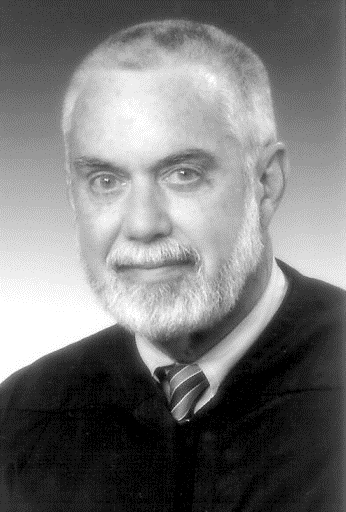
The affidavit was all about Neil Pfeil Mackay. Also known as… Scotty. His son. Carrying his wife’s maiden name smack in the middle. By October 14, 1976, the case of Muriel Adele Mackay, Plaintiff versus Neil S. Mackay, Defendant, had been assigned to Judge Allen T. Compton. Seems mundane and strange all at once. After all, everyone knows Muriel is dead. But remember: child custody is never far from the forefront here. And Compton is ready for this one. In fact, he’s the most recent judge assigned to the mess that Neil and Muriel called their “divorce.”
Mixed Mercy
In an act of judicial courtesy, Judge Compton contacts Neil Mackay, and tells him he’s been assigned to his case or, actually, cases plural. As part of that Judge Compton told Mackay he was going to appoint a guardian ad litem for Scotty. Mackay moves to preempt him — his earlier rulings hadn’t made Neil particularly happy and the idea of a guardian ad litem is something Mackay finds distinctly unappealing — but Compton, feeling he still has jurisdiction in at least one matter before him, writes a favorable ruling anyway:
“…the weight of authority in other jurisdictions clearly favors the proposition that when a custodial parent dies, the right to custody automatically inures, accrues or reverts to the surviving parent.”
Of course, Compton’s a judge, so he qualifies his ruling. Puts some boundaries around it. Some exceptions.
It would thus appear clear that unless the surviving non-custodial parent has either been determined to be an unfit parent, or deprived of parental rights, through other court proceedings, or is under a legal disability, that parent is entitled to restoration of parental rights and custody upon the death of the custodial parent.
Judge Allen T. Compton
But, at the end of the day, Compton helped engineer a ruling that Mackay was entitled to custody of Scotty “for the time being.” Whatever that meant. Here’s Mackay himself, quoting Compton’s letter: “I received a copy of the document from Judge Compton stating I have full care and custody of Scotty. I have a certified copy of that document.”
A Problem Dead Ahead
If Neil Mackay thought everyone else was just going to lay down and take it, he was wrong. And, in fact, by preempting Compton, he likely bought himself more trouble than he counted on. Roll the dice, take your chances, I guess. His new judge was Roy Madsen, from Kodiak, Alaska. Court is in session.

His sister and brother (right)
In Madsen’s Court
The pick of Madsen seemed a stroke of genius. His point of reference began far from Anchorage. He was born in a village on Kodiak Island, the biggest island in the United States. His father was a Danish fur trader who owned a general store. His mother was an Alaska Native. They practiced a subsistence lifestyle, working fish traps and supplementing that with wild game. Oh, and hunting expeditions at the service of rich East Coast big game hunters. In other words, here was a man grounded in real life. He would bring that to the courtroom.
Judge Madsen’s sense that this was no ordinary case hit him almost immediately.
Anchorage authorities offered him a police escort to the Anchorage hearings. And he was told that nobody was to know where he stayed when he was in town. The Muriel Pfeil bombing loomed in the background, a warning to anyone who came near. And now this true Alaskan was thrust into its maelstrom.
The Book: Kill Brother, Kill Sister
Kill Brother, Kill Sister is available at Amazon, Barnes & Noble and other fine bookstores (paperback and ebook).
Copyright Leland E. Hale (2026)